
Highlights
- Proper burial depth is essential to protect fiber optic cables from physical damage, environmental hazards, and signal degradation.
- Burial depth varies based on installation type, location, soil conditions, and applicable regulations.
- Insufficient burial increases the risk of outages, costly repairs, and compromised performance.
- Following best practices and depth standards ensures long-term network stability and mission-critical connectivity.
Why Proper Burial Depth Matters for Fiber Optic Cables
Fiber optic cables are the backbone of modern digital infrastructure, providing unparalleled speed and reliability for communication networks. However, improper burial depth can jeopardize their performance and lead to costly issues over time. If cables are buried too shallow, they become vulnerable to:
- Accidental damage from construction or landscaping equipment
- Environmental factors like shifting soil or weather erosion
- Rodents and other pests that can chew through protective layers
These risks can result in service disruptions, signal loss, and expensive repairs, directly impacting uptime and user experience.
Benefits of Industry-Recommended Depths
Adhering to industry-recommended burial depths ensures your fiber optic network remains protected, delivering consistent and reliable performance. With proper installation techniques:
- Cables are shielded from external interference, prolonging their operational lifespan.
- Your investment is safeguarded, minimizing the need for future repairs or replacements.
- Regulatory compliance is achieved, avoiding potential fines or penalties.
Make sure your installation meets these standards to prevent avoidable risks and maintain optimal performance.
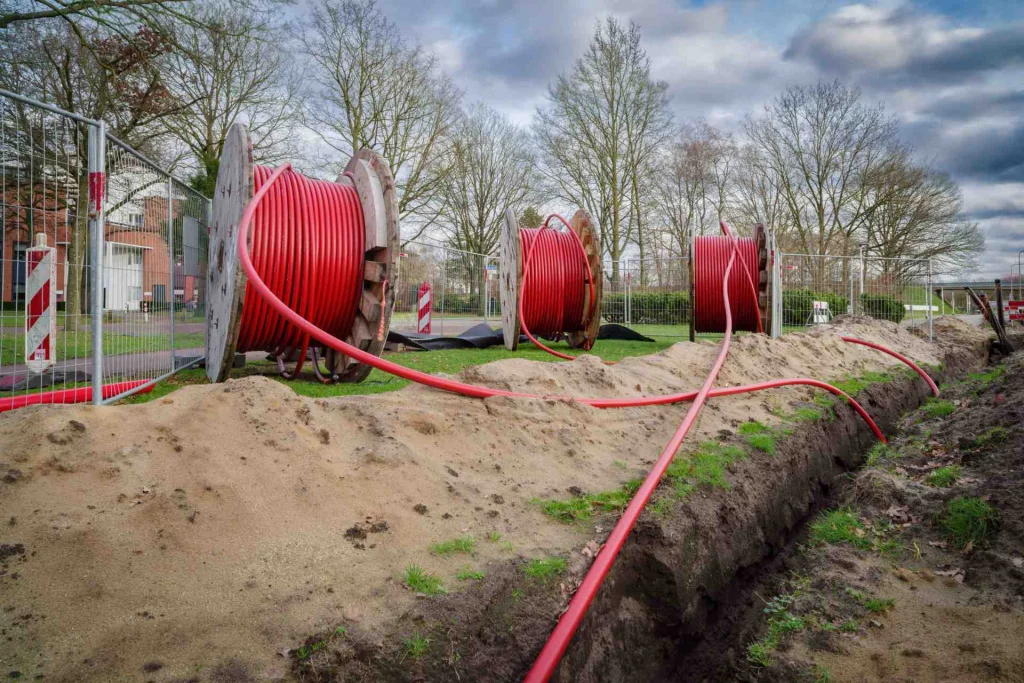
What Affects Fiber Burial Depth?
The ideal burial depth for fiber optic cables depends on several key factors. Below are the primary considerations:
Installation Environment
Urban, rural, and industrial areas each present unique challenges for fiber burial. Urban environments often require shallow installations due to crowded underground infrastructure, while rural or industrial locations may allow for deeper burial depths based on available space and reduced utilities congestion.
Soil Composition
The type of soil plays a major role in determining burial depths. Rocky or unstable soils demand deeper burial or additional protective measures, such as placing cables in conduit or armor. Conversely, sandy or compact soil may support optimal performance at more standard depths.
Installation Method
The chosen installation method influences depth requirements. Direct burial fiber cables typically require deeper placement compared to conduit systems or aerial installations, as they are directly exposed to environmental risks.
Local Regulations
Building codes and utility standards heavily dictate burial depths. These regulations ensure cables are installed safely, preventing interference with other utilities and complying with regional guidelines for performance and reliability. Failing to meet these standards can lead to costly compliance issues.
Exposure Risks
Factors like excavation, flooding, or rodent activity necessitate additional considerations. High-risk areas benefit from deeper burial combined with reinforced materials for added protection, ensuring cables remain intact and functional even in challenging conditions.
Proper planning and adherence to these factors ensure a reliable and efficient fiber optic installation tailored to each unique environment.
Recommended Burial Depths for Fiber Optic Cable
While specific requirements depend on location, use case, and environmental factors, the following guidelines provide a reliable foundation:
Residential or Low-Risk Areas
- Depth: 12–18 inches (30–45 cm)
- Protection: Conduit protection is recommended to shield the cable from accidental disturbances such as gardening or small-scale digging.
Commercial and Industrial Installations
- Depth: 24–36 inches (60–90 cm)
- Protection: Suitable for direct burial or exposed areas; additional safeguards such as conduit may be necessary depending on the environment.
High-Risk Zones and Utility Corridors
- Depth: Greater than 36 inches (90 cm)
- Protection: Use conduit combined with warning tape or marker systems to minimize risks from heavy machinery, excavation, or other hazards.
Why Depth Matters
Deeper burial provides greater protection against accidental strikes, physical wear, and environmental threats such as erosion or extreme weather. Following these recommendations ensures optimal cable performance and minimizes maintenance or repair needs.
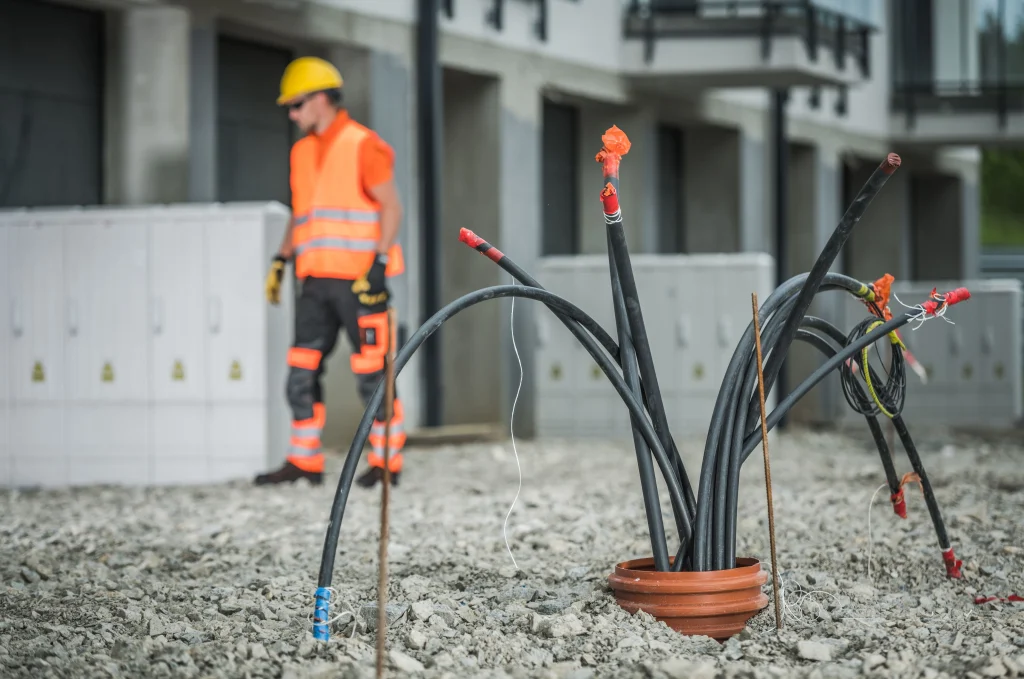
Best Practices for Safe and Long-Lasting Fiber Installations
Maximizing the performance and longevity of fiber optic installations requires attention to detail and adherence to industry standards. Below are essential practices to ensure durability and reliability:
1. Choose the Right Materials
Invest in high-quality materials that provide extra protection, such as armored fiber cables or HDPE conduits. These options are designed to withstand environmental and mechanical challenges, reducing the risk of damage.
2. Plan and Mark Cable Routes
Clearly mark cable routes to minimize accidental cuts or damage during future excavation work. Using standardized markers or maps ensures easy identification for maintenance crews.
3. Follow Local Codes and Industry Guidelines
Adhere to local codes and recognized industry best practices when it comes to burial depth, spacing, and protective enclosures. Proper compliance not only ensures safety but also prevents expensive repairs.
4. Inspect Placement During Installation
Inspect fiber cable placement throughout the installation process to confirm proper depth, correct alignment, and adequate spacing from potential hazards. Preventative checks can avoid costly errors later.
5. Partner with Experienced Providers
Work with trusted, experienced providers like Amerifiber, who bring technical expertise and engineered solutions to every project. A reliable partner ensures that your fiber infrastructure is built to perform for years to come.
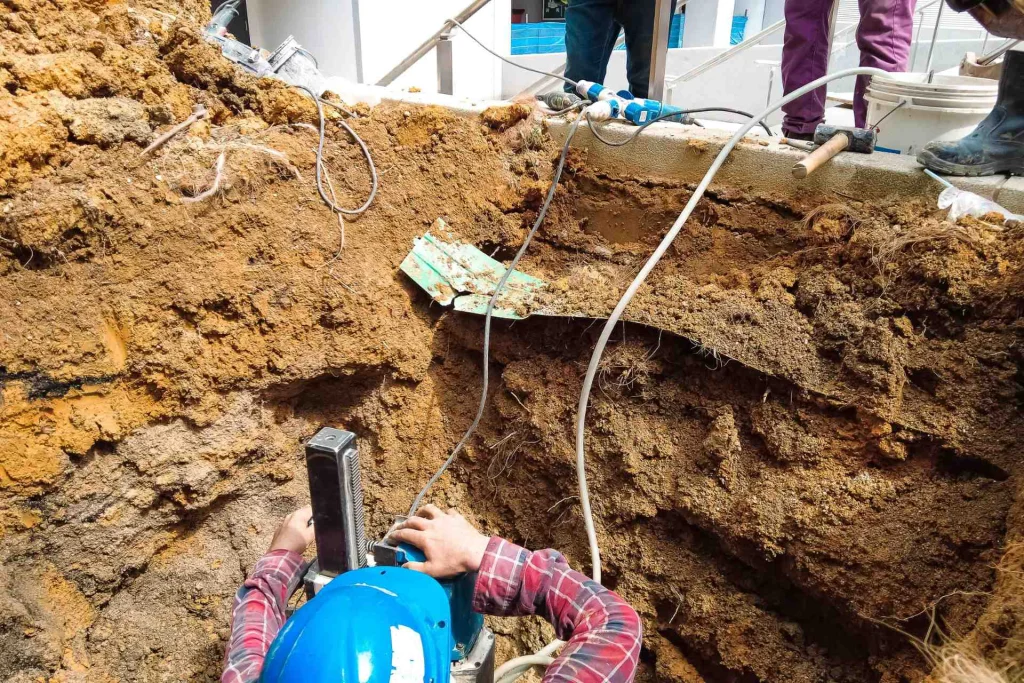
Build a Reliable Fiber Network with Amerifiber
When it comes to future-proofing your infrastructure, details matter. Our team of experts is here to ensure your project meets the highest standards of performance and durability.
Let’s build a network that lasts. Reach out to Amerifiber for a customized consultation to ensure your project is ready for tomorrow’s challenges.
- Online Form: Contact Us
- Phone: 866-518-5858
- Address: 200 Hembree Park Drive, Suite D, Roswell, GA 30076
Frequently Asked Questions
1. Is conduit required when burying fiber optic cable?
Conduit is highly recommended, especially in shallow installations, rocky soil, or areas with high exposure risk. It helps protect cables from moisture, rodents, and accidental digging.
2. What happens if fiber optic cables are buried too shallow?
Shallow burial increases the chance of physical damage, signal loss, and costly repairs from construction, weather events, or animal interference.
3. Are there legal or code requirements for fiber optic burial depth?
Yes. Local building codes, utility regulations, and industry standards often define minimum burial depths for safety and performance compliance.
4. What’s the difference between direct burial and conduit installation?
Direct burial involves placing the cable directly in the ground, often requiring deeper trenches and armored cable. Conduit systems offer extra protection and are ideal in areas with future excavation risk.
5. Can fiber optic cables be buried in all soil types?
Yes, but soil type impacts the burial method. Rocky or unstable soils may require reinforced materials, deeper trenches, or conduit systems for long-term reliability.