
Highlight
- Exceeding Ethernet Max Distance results in signal loss, interference, and potential network failure.
- Maintaining proper cable lengths is critical for mission-critical connectivity and network stability.
- Factors like cable quality, shielding, installation environment, and speed directly affect Ethernet Max Distance.
- Understanding recommended cable types and distances ensures reliable operation and maximizes performance.
Why Ethernet Max Distance Matters
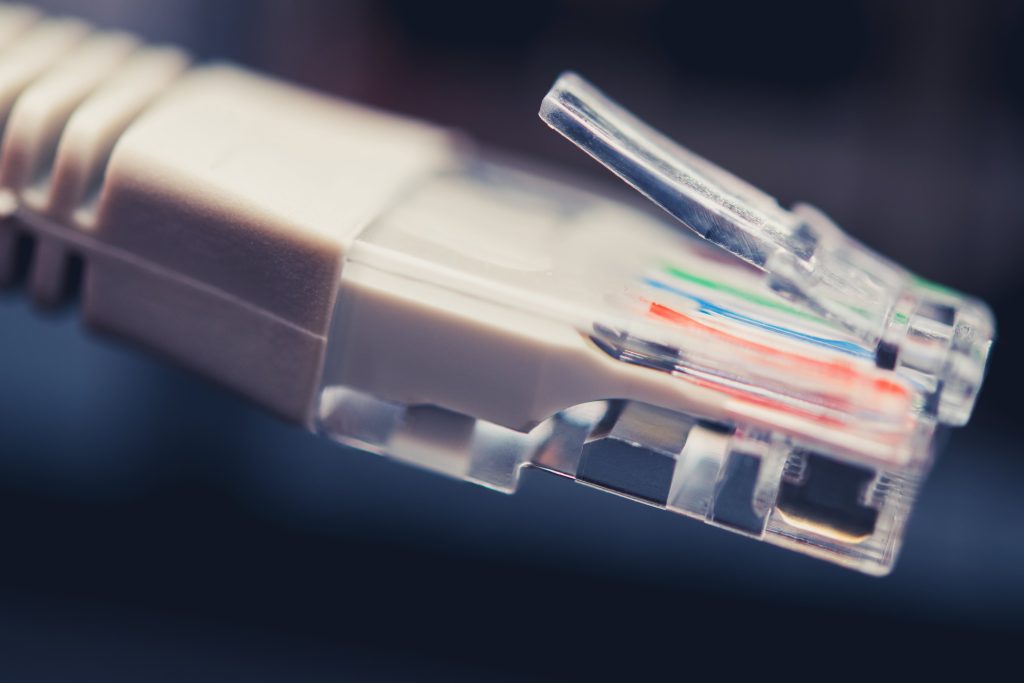
Ethernet max distance plays a critical role in ensuring efficient and reliable network performance. It refers to the maximum length a copper Ethernet cable can transmit data before signal degradation begins to occur, typically capped at 100 meters (328 feet) for most standard cables. Exceeding this distance can lead to several issues, including:
- Increased latency
- Packet loss
- Unstable connections
For businesses and industrial environments, these risks can significantly disrupt daily operations, resulting in downtime and inefficiency. Properly adhering to Ethernet distance guidelines helps maintain consistent uptime, reduces troubleshooting and maintenance costs, and ensures a network is prepared for future demands.
Maintaining these network standards not only enhances performance but also provides peace of mind, making operations seamless and allowing businesses to focus on growth instead of connectivity issues.
Popular Ethernet Cable Types & Distance Guidelines
Below is a breakdown of popular Ethernet cable types and their best use cases:

Selecting the right Ethernet cable depends on your specific network needs. Cat5e or Cat6 are often sufficient for home or small business applications, while Cat6a and Cat7 excel in more demanding environments. If you require cutting-edge performance for server environments, Cat8 is the optimal choice for supporting high-bandwidth needs.
Technical Factors That Affect Maximum Cable Distance
When determining the maximum effective distance for cable installations, several technical factors must be considered to ensure performance and reliability. Below are the primary considerations:
Cable Quality & Shielding
Low-grade cables are particularly prone to electromagnetic interference (EMI), which can significantly degrade signal integrity. High-quality cabling with proper shielding reduces EMI-related issues, ensuring consistent performance across longer distances.
Transmission Speed
The speed of data transmission plays a critical role in cable length limitations. Higher speeds, such as 10G, 25G, or 40G, often demand shorter cable lengths due to increased susceptibility to attenuation and signal loss over distance.
Recommended Reading: How Fast is Fiber Optics?
Installation Environment
External conditions directly impact cable performance. Environmental factors such as excessive heat, moisture, or frequent bending can degrade cable materials over time, causing a decline in transmission quality and overall reliability.
Recommended Reading: Everything You Need to Know About Installing Fiber Optic Internet
Connector Integrity
Even with premium cables, poor quality terminations and connectors can introduce avoidable signal losses. Invest in well-manufactured connectors and ensure proper installation practices to maintain consistent performance within rated specifications.
High-Performance Solutions from Amerifiber
We specialize in delivering custom-built cable assemblies designed to meet the rigorous demands of modern industries. Our solutions combine cutting-edge engineering with exceptional durability to ensure reliable performance, even in the most challenging environments.
Why Choose Amerifiber?
- Durability and Precision
Our cable assemblies are built to withstand industrial stress, interference (EMI), and harsh environmental conditions. This makes them ideal for applications where reliability is non-negotiable.
- Advanced Engineering
Crafted with high-grade shielding and conductors, our assemblies deliver superior signal quality and performance, ensuring seamless data transmission.
- Industry-Specific Applications
Whether you’re managing a data center, outfitting a manufacturing plant, or upgrading enterprise-scale infrastructure, our products are engineered for long-term efficiency and robustness.
Contact AmeriFiber
Get in touch with us today for expert assistance!
- Contact Online: https://amerifiber.com/contact-us/
- Phone: 866-518-5858
- Address: 200 Hembree Park Drive, Suite D, Roswell, GA 30076
Partner with AmeriFiber for dependable, high-performance networking solutions that meet your unique needs. Start your next project with confidence!
Frequently Asked Questions
1. What happens if Ethernet cable length exceeds the maximum?
You’ll face signal loss, slower speeds, and possible connection drops, especially in high-speed or business-critical setups.
2. How do I minimize signal degradation?
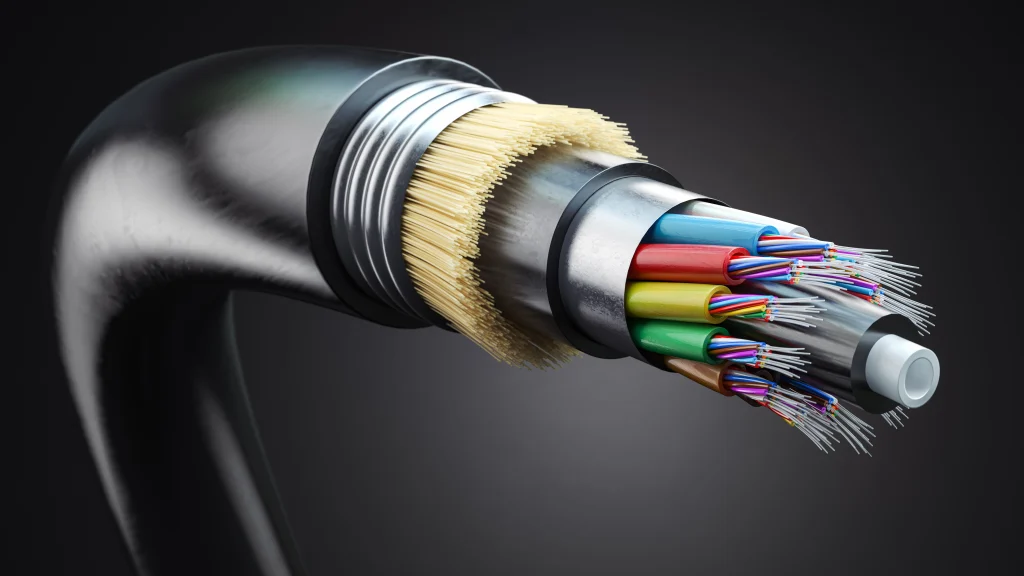
Use shielded cables (like Cat6a or Cat8) and avoid running them near electrical sources. For long distances, upgrade to fiber optic.
3. Can Amerifiber cables handle industrial environments?
Yes. Our cables are designed for harsh conditions, including high EMI, temperature extremes, and high traffic.
4. What’s the max reliable distance for Cat6 and Cat6a?
- Cat6: 10 Gbps up to 55m, 1 Gbps up to 100m
- Cat6a: 10 Gbps up to 100m (fully shielded)
5. How do I future-proof my network?
Invest in high-bandwidth cables like Cat6a or Cat8, follow best installation practices, and partner with a trusted provider like Amerifiber.