
In fiber optic networks, signal strength isn’t always about “the more, the better.” Too much light can actually cause problems — overwhelming sensitive receivers, creating distortion, or even damaging equipment. That’s where fiber optic attenuators come in.
A fiber optic attenuator is a small but essential device that reduces optical signal power to a safe and effective level. Whether you’re working with short-distance connections, high-power transmitters, or precise testing setups, attenuators help maintain balance and stability across your network.
In this guide, we’ll explain what fiber optic attenuators are, how they work, the different types available, and how to choose the right one for your system. You’ll also discover a few reliable options from Amerifiber, a trusted U.S. manufacturer of professional-grade fiber solutions.
The Role of Fiber Optic Attenuators
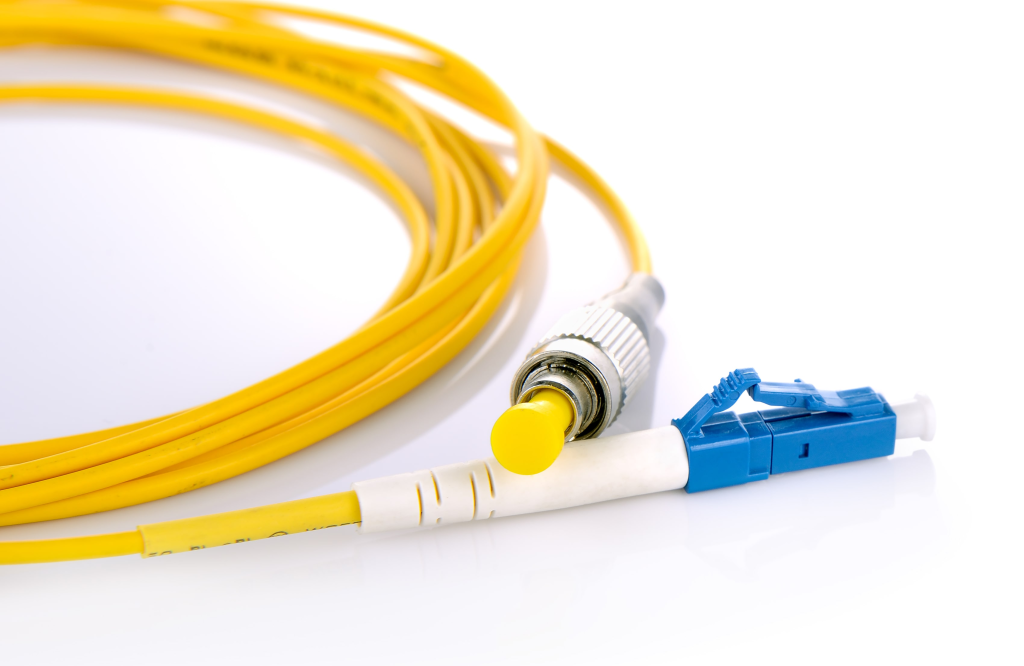
Every fiber network needs a balance between transmitting and receiving light signals. When that balance is off, especially when the signal is too strong, communication quality can drop. Fiber optic attenuators solve this problem by reducing optical power to a level that your equipment can handle safely.
Think of attenuation like a volume control for light. Too loud, and the receiver distorts the signal; too quiet, and it won’t register. An attenuator fine-tunes the light intensity, protecting your devices while keeping data transmission clean and consistent.
You’ll most often find attenuators used in:
- Short fiber runs, where the transmitter output is higher than the receiver can accept.
- Testing setups, where controlled signal strength is needed for calibration.
- High-power single-mode systems, such as long-distance or DWDM networks.
In short, attenuators prevent overload and help maintain a steady optical link across varying distances and power levels.
Amerifiber’s attenuators are built with tight power tolerances and low return loss, ensuring reliable performance and compatibility with the most common connector types — LC, SC, and ST.
How Fiber Optic Attenuators Work
At their core, fiber optic attenuators reduce light intensity by introducing a small, controlled amount of loss into the signal path. This loss is measured in decibels (dB) — for example, a 5 dB attenuator reduces the signal strength by 5 dB between the transmitter and receiver.
There are two main ways attenuators achieve this:
- Absorption, where part of the light is absorbed by the attenuating material.
- Reflection or scattering, where a portion of the signal is redirected within the device.
The goal isn’t to weaken the network; it’s to bring the power level into the receiver’s optimal operating range, ensuring consistent data flow and protecting sensitive optical components.
Types of Attenuators by Function:
- Fixed attenuators: Provide a set level of signal reduction (for example, 3 dB, 5 dB, 10 dB). Ideal for stable, long-term installations.
- Variable attenuators: Let you adjust power levels manually or automatically. Perfect for testing labs or dynamic network environments.
Connector Compatibility:
Attenuators come in standard connector types such as LC, SC, and ST, allowing them to integrate seamlessly into existing patch panels or cable systems. Amerifiber offers models compatible with both single-mode and multimode fibers, built to meet strict performance tolerances.
In practice, you simply insert an attenuator between two fiber connectors or within a patch panel port. From there, it quietly maintains optical balance so your network runs at peak performance.
Common Types of Fiber Optic Attenuators and Their Applications
Not every network requires the same kind of attenuation. The right type depends on how and where it’s used. Here’s a breakdown of the most common fiber optic attenuators and where they fit best:
| Type | Description | Best Used For |
|---|---|---|
| Fixed Attenuators | Provide a set reduction in power (for example, 3 dB, 5 dB, or 10 dB). Simple, stable, and maintenance-free. | Permanent installations with predictable power levels. |
| Variable Attenuators | Allow adjustable control of signal strength through a dial or screw mechanism. | Testing environments or systems with changing conditions. |
| Inline Attenuator | Built directly into a fiber jumper cable for a clean and space-saving setup. | Compact or mobile networks that need fewer connection points. |
| Plug-Type Attenuators | Installed directly into adapters or patch panels using standard LC, SC, or ST connectors. | Quick field installations and easy power adjustments. |
| Bulkhead Attenuators | Fit between two connectors inside a panel port. | Data centers and rack systems that need built-in attenuation at connection points. |
For example:
- A 3 dB LC/UPC fixed attenuator might stabilize a short single-mode link.
- A variable attenuator could fine-tune signal power during equipment calibration.
- A plug-type SC attenuator works perfectly inside patch panels for quick field adjustments.
Amerifiber supplies precision-engineered attenuators across these categories, ensuring minimal reflection, stable dB performance, and full compatibility with their rack-mount and wall-mount fiber panels.
How to Choose the Right Fiber Optic Attenuator
Selecting the right attenuator isn’t difficult — but getting it wrong can impact your signal strength and equipment safety. Here’s how to make sure you choose correctly:
1. Determine your required attenuation level
Start by reviewing your system’s optical power budget. This tells you how much signal loss your link can tolerate.
- Calculate the difference between your transmitter output and the receiver’s maximum input.
- Choose an attenuator with a slightly higher dB value to stay within a safe range. For example, if your transmitter outputs –3 dBm and your receiver handles up to –8 dBm, a 5 dB attenuator would balance the link perfectly.
2. Match the connector type and polish
Attenuators come in standard formats — LC, SC, and ST — and two main polish types: UPC (Ultra Physical Contact) and APC (Angled Physical Contact).
- Use UPC attenuators for most data and telecom applications.
- Use APC when working with single-mode fiber systems that require ultra-low back reflection.
Amerifiber’s attenuators are available in both finishes to ensure reliable mating and minimal signal reflection.
3. Choose between fixed and variable models
- Go with fixed attenuators for long-term installations with known power levels.
- Choose variable attenuators if you frequently adjust equipment, perform testing, or deal with fluctuating optical loads.
4. Verify fiber type compatibility
Check whether your system runs on single-mode or multimode fiber, as attenuation characteristics differ. Amerifiber offers both types, optimized for their specific wavelength ranges (850 nm, 1310 nm, 1550 nm).
5. Prioritize quality and precision
Even a small error in attenuation can cause network instability. Opt for precision-tested attenuators like Amerifiber’s, which maintain tight tolerances and consistent performance over time.
The right attenuator doesn’t just lower signal power — it ensures your network stays efficient, balanced, and protected from costly optical overload.
Amerifiber’s Attenuator Solutions
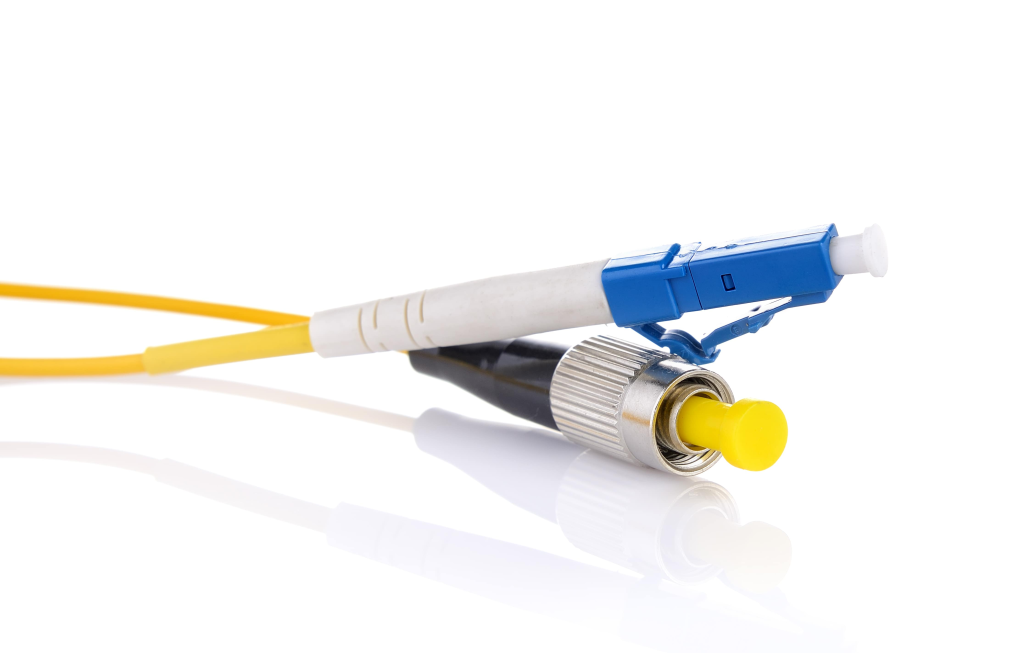
Amerifiber provides a wide range of fiber optic attenuators built for reliability, precision, and long-term stability. Whether you’re fine-tuning a test setup or balancing power in an active network, each attenuator is designed to deliver consistent performance with minimal reflection and insertion loss.
Here’s what sets Amerifiber’s solutions apart:
Wide selection of attenuation values
Available in standard levels — 1 dB, 3 dB, 5 dB, 10 dB, and higher — Amerifiber attenuators let you match power requirements accurately without compromising signal integrity.
Multiple connector options
Choose from LC, SC, and ST connectors, compatible with both single-mode and multimode systems. Each model is crafted to industry standards for perfect fit and easy installation into Amerifiber patch panels and fiber enclosures.
Fixed and variable options
Amerifiber offers both fixed-value attenuators for stable installations and adjustable attenuators for testing environments or links that require precise tuning.
Built for durability and performance
Each attenuator is made from high-quality materials with tight return-loss specifications, ensuring consistent operation even in demanding environments.
Made and supported in the USA
All Amerifiber attenuators are engineered and assembled domestically, backed by responsive customer support and short lead times — so you can count on both performance and availability.
Whether you need a 3 dB SC/APC fixed attenuator for a single-mode backbone or a variable LC model for lab testing, Amerifiber delivers the precision and reliability your network deserves.
Frequently Asked Questions
What does a fiber optic attenuator do?
A fiber optic attenuator reduces the strength of a light signal traveling through a fiber. This prevents the receiver from being overloaded and helps maintain a clean, balanced transmission.
When do I need a fiber optic attenuator?
You need an attenuator when your optical transmitter sends out more power than your receiver can handle. This is common in short fiber runs, test environments, or systems using high-output lasers.
What is the difference between a fixed and variable attenuator?
A fixed attenuator provides a constant amount of signal reduction — for example, 3 dB or 10 dB. A variable attenuator lets you adjust the loss level manually, making it ideal for calibration or testing.
Can I use multiple attenuators in one link?
Technically yes, but it’s best to use a single attenuator with the correct rating. Stacking attenuators can cause unnecessary reflection and signal loss.
Do attenuators work with any connector type?
Most attenuators are connector-specific. Common types include LC, SC, and ST, and they can be either UPC or APC polished. Always match the connector and polish type to your network hardware.
How do I know what attenuation value I need?
Check your equipment’s optical power specifications. Subtract the receiver’s maximum input from the transmitter’s output to find the desired attenuation level in decibels (dB).
Do Amerifiber attenuators work with other brands’ equipment?
Yes. Amerifiber provides only attenuators that meet industry standards, making them fully compatible with most fiber optic systems and patch panels.
Find the Right Fiber Optic Attenuator for Your Network
Getting attenuation right is crucial for signal stability and equipment safety — and Amerifiber makes it simple. Whether you’re fine-tuning optical power, balancing a high-output transmitter, or setting up a lab test, Amerifiber’s precision-built attenuators deliver consistent, reliable results.
With options in fixed and variable configurations, plus connector types like LC, SC, and ST, every Amerifiber attenuator is designed for seamless compatibility and long-lasting performance.
Contact Amerifiber today to explore the full range of fiber optic attenuators and accessories.
Keep your optical power perfectly balanced, and your network running at its best.